
Have you ever wondered why some people seem to stay grounded when everything around them feels uncertain? The answer lies within your brain’s remarkable ability to change and adapt. The science of neuroplasticity shows that your brain can literally rewire itself by creating new connections through your thoughts, emotions, and daily habits. This means you’re never truly stuck in old patterns of stress, fear, or overwhelm your mind is capable of transforming from within.
At Mind Is Medicine, we believe that real healing begins with awareness. Once you understand how your brain works, you can start guiding it toward calm and clarity. Every mindful breath, every moment of stillness, and every kind thought you give yourself begins shaping new neural pathways that support emotional healing and resilience. It’s not magic, it’s neuroscience working in harmony with self-compassion.
Whether you’re recovering from emotional pain, managing chronic stress, or simply longing for more peace, your brain has the innate power to heal. You can train your mind to respond differently to challenges, strengthen your emotional balance, and improve your overall stress recovery. The process begins with intention by noticing your inner patterns, embracing gentle awareness, and choosing thoughts that nurture calm.
Rewiring your brain doesn’t happen overnight, but with consistency and care, it becomes your new way of living. Think of it as giving your brain a daily workout for peace and balance. Over time, calm becomes your natural state, and your mind learns to support your healing instead of fighting against it. At Mind Is Medicine, we call this the heart of inner transformation, where neuroscience meets self-care to help you rewire your brain for calm.
What Is Neuroplasticity and Why It Matters
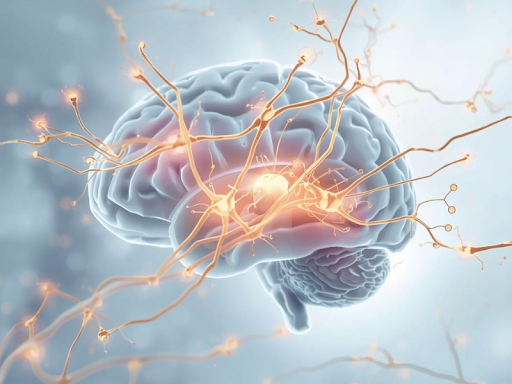
Neuroplasticity means your brain can change. Every time you learn something new, practice mindfulness, or react differently to a situation, your brain creates new neural connections.
This ability allows you to replace old habits and emotional responses with healthier ones. When stress or trauma repeats over time, the brain strengthens pathways related to fear and anxiety. But when you practice calm and compassion, those pathways begin to fade, and new ones form that support healing and peace.
Your brain is not fixed. It’s always learning and reshaping itself based on what you repeatedly think and do.
How Stress Shapes the Brain
Stress affects your brain more than you might think. When you feel stressed, the amygdala your brain’s alarm system, becomes more active. It signals your body to release hormones like cortisol and adrenaline. This helps you react quickly in emergencies but can harm you when activated too often.
Meanwhile, the prefrontal cortex, the part responsible for clear thinking and decision making, becomes less active. Over time, chronic stress makes it harder to stay calm, think rationally, or feel safe.
How Neuroplasticity Supports Emotional Healing

Emotional healing is not just a mental or spiritual process. It is a physical change happening inside your brain. Each time you choose self-compassion over criticism or presence over panic, you are helping your brain create new, peaceful pathways.
With repetition, these pathways become stronger. Slowly, your brain learns that it can feel safe even in moments of discomfort.
Healing, in this sense, means teaching your brain a new story one that replaces fear with calm and pain with growth.
Six Ways to Rewire Your Brain for Calm
Here are simple but powerful ways to help your brain recover from stress and move toward inner peace.
1. Practice Mindful Awareness
Mindfulness means paying full attention to what’s happening in the present moment without judgment. It’s one of the most effective ways to quiet the stress response in the brain.
Take a few slow breaths. Notice what you see, hear, and feel right now. Each time your mind wanders, gently guide it back to your breath. This trains your brain to focus and stay calm under pressure.
2. Reframe Negative Thoughts
Your thoughts shape your brain’s wiring. When you often tell yourself that you are not enough, your brain believes it. But when you replace those thoughts with encouraging ones, new connections begin to form.
Try saying, “I am learning,” or “I am doing my best.” Simple shifts like these can change your emotional patterns over time. The more you practice, the easier it becomes for your brain to default to calm instead of fear.
3. Build Emotional Safety
Healing happens when your nervous system feels safe. You cannot rewire your brain if you are always in survival mode.
Create an environment that supports peace. Spend time with people who lift you up, listen to soft music, or spend a few minutes outdoors each day. The more safety your body feels, the easier it is for your brain to learn new emotional habits.
4. Move Your Body
Movement helps your brain grow new neurons and release tension. Regular exercise improves mood, enhances focus, and supports emotional recovery.
You don’t have to do intense workouts. Even a short walk or gentle stretching helps your brain release stress hormones and increase endorphins, the natural chemicals that make you feel good.
5. Nurture Connection
Human connection is essential for healing. When you share your feelings and receive empathy, your brain releases oxytocin, a hormone that lowers stress and strengthens trust.
Whether it’s a friend, therapist, or supportive community, meaningful relationships help your brain remember what safety and love feel like.
6. Rest and Sleep
Your brain needs rest to heal. During sleep, it processes memories and reinforces new neural pathways. Without proper rest, stress levels increase and healing slows down.
Create a relaxing bedtime routine. Dim the lights, put your phone away, and allow your body to unwind. Quality sleep restores balance and strengthens your emotional resilience.
How Meditation Changes the Brain
Meditation is one of the most powerful tools for rewiring your mind. Research shows that consistent meditation reduces the size of the amygdala and increases the thickness of the cortex, which helps with awareness and focus.
When you meditate, your brain learns to stay calm even when life gets noisy. Over time, this practice helps you become more patient, more grounded, and more connected to your inner peace.
At Mind Is Medicine, we encourage using meditation not as a quick fix but as a daily habit that nurtures your nervous system and restores harmony within.
Self-Compassion: The Foundation of Healing
Many people think healing means pushing through pain. In truth, lasting healing comes from gentleness. Self-compassion activates the same parts of the brain associated with warmth, safety, and love.
When you treat yourself with kindness, your brain releases oxytocin and endorphins, which help calm the stress response. Speak to yourself the way you would to someone you love.
You can say, “I’m safe. I’m doing my best. I’m healing.”
Repeat it whenever you feel overwhelmed and notice how your body softens.
The Role of Visualization and Gratitude
Your brain doesn’t fully distinguish between imagination and reality. When you visualize peace, your brain begins to believe it’s possible.
Close your eyes and picture a calm place. Feel gratitude for that peace, even if it’s brief. Doing this regularly helps your brain create neural patterns that align with calmness and safety.
Gratitude, too, reshapes your mindset. Writing down three things you are thankful for each night can significantly improve your mood and emotional balance.
Nourishing the Brain Through Food
What you eat affects your mood and energy. Nutrients like omega-3 fats, magnesium, and B vitamins help your brain repair itself and stay resilient.
Some brain-supporting foods include salmon, nuts, seeds, berries, and leafy greens.
Hydration is equally important. When your body is hydrated, your mind can think more clearly and respond more calmly.
Healing through food means choosing nourishment that supports your emotional and physical well-being.
Recovering From Trauma Through Neuroplasticity
If you’ve experienced trauma, your brain may have learned to stay alert for danger. That’s not weakness it’s your brain trying to protect you.
With time, patience, and consistent practice, you can teach your brain that safety exists again. Therapy, grounding exercises, and mindfulness are powerful tools for this.
Remember, healing doesn’t mean forgetting what happened. It means teaching your brain that you are safe in the present moment.
Simple Daily Habits to Support Emotional Healing
Small steps add up. The brain learns best through repetition and consistency.
Here are a few simple habits to strengthen calm:
• Start your day with a few deep breaths.
• Spend time in nature and let your senses reset.
• Journal your thoughts to process emotions.
• Listen to soothing sounds or gentle music.
• End your day by reflecting on one thing that went well.
Each of these actions tells your brain, “I am safe, I am healing, and I am growing.”
How Long Does It Take to Rewire the Brain
Neuroplasticity doesn’t happen overnight. Some people notice subtle shifts in as little as three weeks, while others need several months of steady practice.
The process depends on consistency more than intensity. Every mindful breath, every moment of patience, every act of self-compassion builds the new wiring that supports calm and balance.
Think of it like tending a garden. The more often you nurture it, the stronger and more beautiful it grows.
Progress Over Perfection
Healing isn’t a straight path. Some days will feel light and others heavy. Both are part of the journey.
Every time you choose to pause instead of react, breathe instead of worry, you are helping your brain create new patterns. These moments may seem small, but they build a foundation for lasting peace.
Be gentle with yourself. Growth takes time, and you are already on the right path.
Your Mind Is Medicine
Your brain is your greatest ally in healing. It has the remarkable ability to learn, adapt, and renew itself. Through the practice of mindfulness, movement, rest, and compassion, you can guide your mind toward calm and resilience.
At Mind Is Medicine, we believe that true healing begins when you realize that your thoughts, emotions, and body are connected. Every calm breath is an act of transformation. Every kind thought is a step toward freedom.
You have the power to rewire your brain for peace. Trust the process. Your mind is, and always will be, your medicine.
Frequently Asked Questions
Yes. Neuroplasticity allows your brain to create new neural connections at any age. With regular mindful practices, you can train your brain to stay calm even in stressful situations.
Everyone’s journey is different, but with daily consistency, you may begin noticing improvements in mood, focus, and stress levels within a few weeks. Long-term change often develops after several months of practice.
Start with small moments of mindfulness. Pause, breathe, and remind yourself that you are safe. Over time, these moments build the foundation for emotional balance and inner peace.
Conclusion
Rewiring your brain for calm is not about forcing peace. It’s about creating space for it to naturally unfold. Through neuroplasticity, your brain learns from every gentle thought, mindful breath, and compassionate choice you make.
When you commit to understanding your inner world, you begin to see that healing is not something distant or impossible. It’s happening right now in your awareness, in the small pauses where you choose peace instead of panic.
Your brain listens to the story you tell it every day. Let that story be one of growth, calm, and hope. With patience and consistency, your mind will follow your lead.
At Mind Is Medicine, we’re here to remind you that you are not broken you are evolving. Your calm is not lost; it is waiting to be remembered. And with every breath, you are already on your way home to yourself.